

For many people, homeownership is a goal, even the goal, signifying status, stability, and security. It’s been a cornerstone of the American dream for decades, and while the dream has remained the same, the cost of homeownership has skyrocketed.
According to one 2024 analysis, after accounting for inflation, buying a home today is twice as expensive as it was in 1965. Standard mortgage calculators often underestimate this total, accounting for principal and interest but failing to include costs associated with the messy reality of homeownership. Appliances break, roofs leak, plumbing systems fail, property taxes rise, and insurance premiums jump. Zillow’s research found that the hidden costs of homeownership typically surpass $16,000 annually.
It’s one of the reasons that renting has become a go-to housing option for many individuals and families. Fatigued by upkeep and looking to control their costs, many people are choosing the predictability of a monthly lease.
Here are three of the top hidden costs of homeownership.
1. Taxes & Insurance
When you lock in a traditional 30-year fixed-rate mortgage, your principal and interest payments remain steady. Everything else attached to the property does not.
For example, as local real estate values climb, municipal tax assessments follow in kind, so homeowners open their annual escrow statements and find their monthly payments have meaningfully increased just to cover the higher property tax rates. In many areas, property tax rates are rising faster than inflation, with the average homeowner paying nearly $4,500, which is enough to cover four months of groceries, buy a new top-tier iPhone, and subscribe to a streaming service for a year.
Then there’s insurance. The average household spends $3,000 on home insurance annually, and costs are rising quickly. Home insurance rates increased 12% in 2025, while costs have risen 46% since 2021—three times faster than inflation during that period.
Notably, taxes and insurance are not discretionary line items. Homeowners can’t opt to ignore them when budgets get tight. The bill comes due, and homeowners have to pay.
2. Maintenance and Upkeep
Maintenance and upkeep costs are inevitable but are often overlooked in the home-buying process. Even newly built homes typically require up to $4,200 in maintenance, while older homes can require as much as $12,000 for upkeep and repairs.
When appliances fail in a rental home, a maintenance request solves the problem. For homeowners, it means a trip to the store, an unexpected expense, and time spent on delivery and installation. Collectively, homeowners spend $65 billion replacing appliances, enough to cover Michigan’s state budget for a year, including public schools, roads, healthcare, and state services.
Of course, replacing a major appliance isn’t the only expense.
Homeownership is an endless cycle of routine upkeep: HVAC systems, lawn care, pest control, gutter cleaning, minor roof patching, painting touch-ups, driveway sealing, deck staining, window caulking, and the countless other chores that demand your time and money.
3. Capital and Time
Taxes, insurance, maintenance, and upkeep are quantifiable. They are often overlooked but can be calculated. The opportunity cost is usually unnoticed and unappreciated.
A 20% down payment on a $400,000 home costs a buyer $80,000, a significant amount of liquid capital that can’t be deployed in other investments. It can’t be used to invest in the stock market, start a business, or maintain a robust emergency fund. Notably, Forbes reports that dollar-cost averaging into market index funds historically generates greater cumulative net worth over a 30-year period.
The personal toll can be even more significant. Time is a non-renewable resource, and homeownership takes up a lot of it. While individual maintenance tasks may seem minor on their own, they quickly add up. For instance, one survey found that homeowners spend 510 hours mowing the lawn over a lifetime.
The Best of Both Worlds
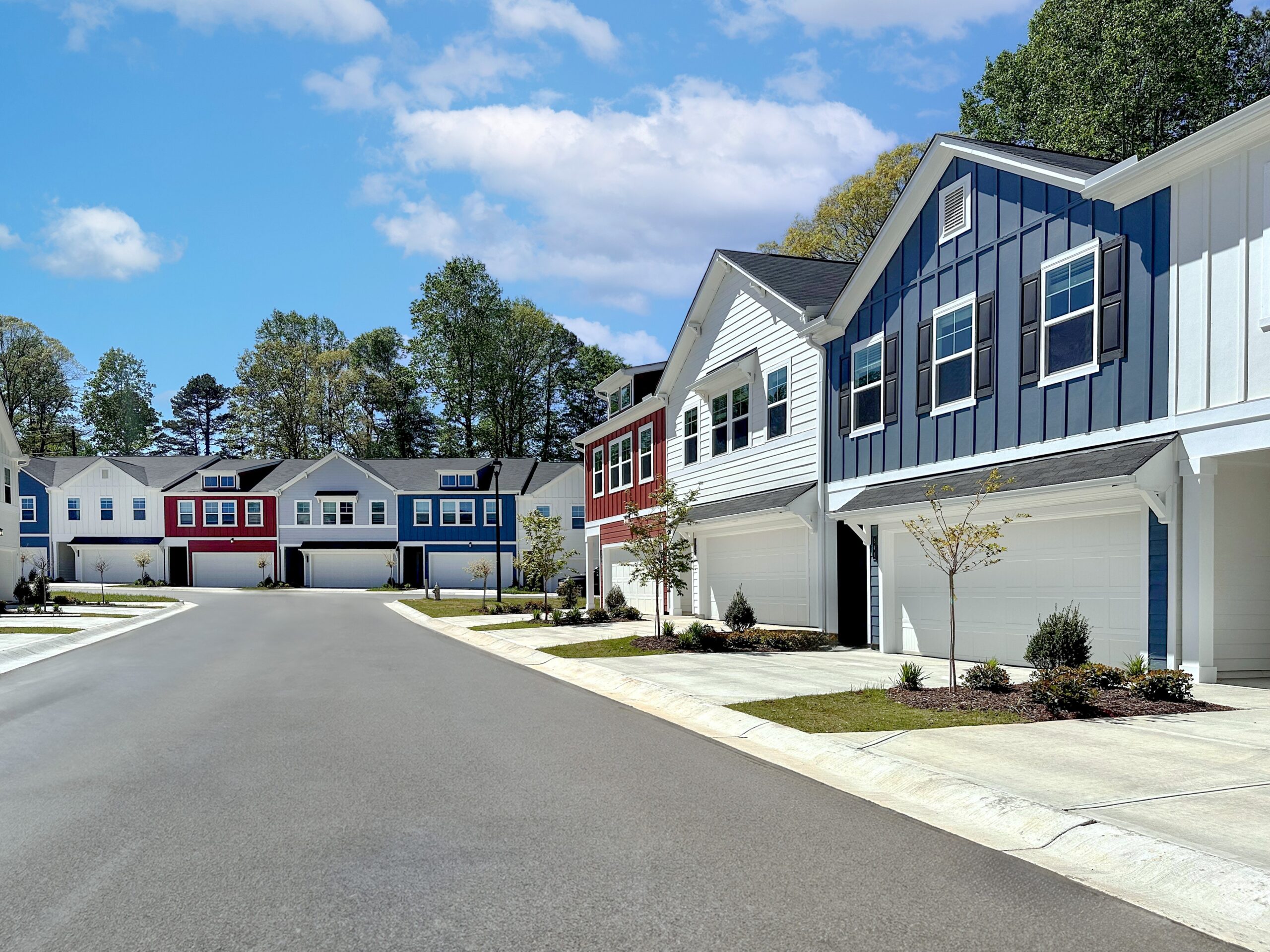
Homeownership may be a good goal for some people, but you don’t have to sacrifice the accouterments of a home to maintain your financial flexibility. Dedicated rental neighborhoods offer the home experience without compromise.
At Quinn Residences, you get the benefits of a traditional suburban home, including spacious layouts, private driveways, and fenced-in backyards, without the financial liability of homeownership. We handle the maintenance, upkeep, and community amenities, so you can focus on what truly matters, giving you a predictable budget, liquid savings, and the freedom to spend time the way you want.
Ready to find a neighborhood where you truly belong?
- Explore Our Portfolio: Find a dedicated rental community near you and discover how connection thrives in every season.
- Join the Conversation: Follow Quinn Residences on LinkedIn, Facebook, and Instagram for the latest updates.
Homes with Life in Mind.