

If you’ve spent time on any social media feed, you’ve probably come across the “2026 is the new 2016” trend. It’s a nostalgic look back at what many participants perceive to be simpler, more accessible times.
A lot can change in a decade, and the housing market is a clear example.
As one Realtor.com analysis notes, the typical home cost just $233,800 in 2016. Today, that figure has nearly doubled.
This is especially true in popular urban centers where demand significantly outpaces supply and prices are rising faster than local wages can keep pace.
Unsurprisingly, the barrier to entry is becoming increasingly formidable, and macroeconomic factors, like high interest rates and costly down payments, have left a gap in the market. People are stuck renting in high-rise apartment buildings or navigating cutthroat bidding wars for fixer-uppers they can barely afford.
That’s why housing availability can’t just be evaluated by the number of roofs and front doors added to a zip code. It must be measured by attainable access to diverse housing options in highly desirable urban and suburban infill locations.
”The typical home cost just $233,800 in 2016. Today, that figure has nearly doubled.
Realtor.com
What Healthy, Intentional Growth Looks Like
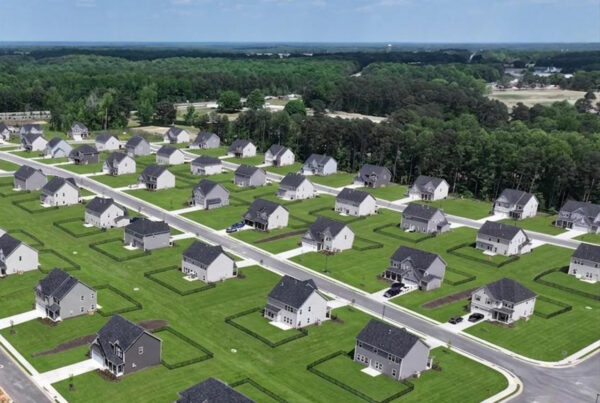
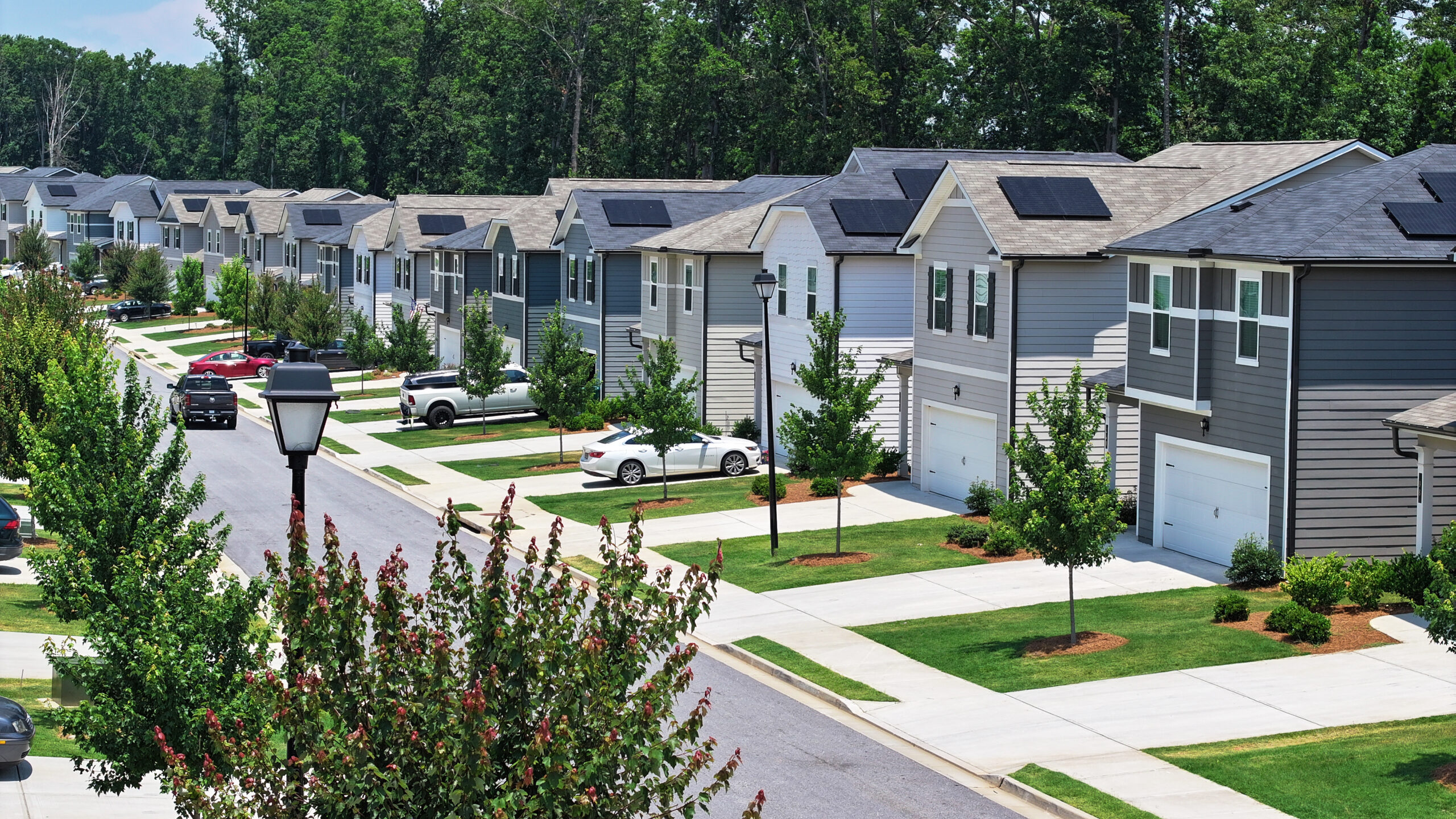
A healthy development isn’t a silo. It’s not an isolated island of cookie-cutter facades or a disruption to the existing neighborhood skyline.
Instead, it creates communities that are both economically accessible and meaningfully integrated into their surrounding environments.
This starts with the building process itself. Development involves complex entitlement and regulatory work, and getting it right means partnering with local municipalities rather than working around them. The goal is to ensure that what we build strengthens the broader area, not just fills a lot.
For example, as part of our upcoming The Quincy community in Charlotte’s Mecklenburg County, we are planning to develop a public park that will be dedicated to the county. It’s an investment intended to enhance shared spaces, preserve local greenery, and deliver long-term value, making the city a more vibrant, connected place to live and an area where local families can truly thrive.
We know this approach is working when the results speak for themselves: strong demand from day one, residents who stay, and organic word-of-mouth from people who genuinely want their friends and family nearby.
Making Meaningful Community Connections
Neighborhoods and communities are only as strong as the people and organizations that support them. That’s why we are so committed to local partnerships, working closely with schools, healthcare systems, first responders, and local chambers of commerce.
Through our Hometown Heroes Program, local first responders receive $1,000 off their first month’s rent. We also invest directly in the next generation, including sponsoring the local football team in Canton, Georgia, home to our Riverstone Retreat community, outfitting players with new uniforms and essential supplies.
These investments are designed to elevate the day-to-day lives of the people who call Quinn home and the broader communities where we build.
It’s an ongoing process and priority. We assess our community impact in several ways, including resident feedback through ongoing surveys and engagement, using that critical input to refine our operations and community impact continually.
Built with Life in Mind
The housing conversation in 2026 is dominated by what people can’t afford. We think the more important conversation is about what communities can become when housing is designed with intention.
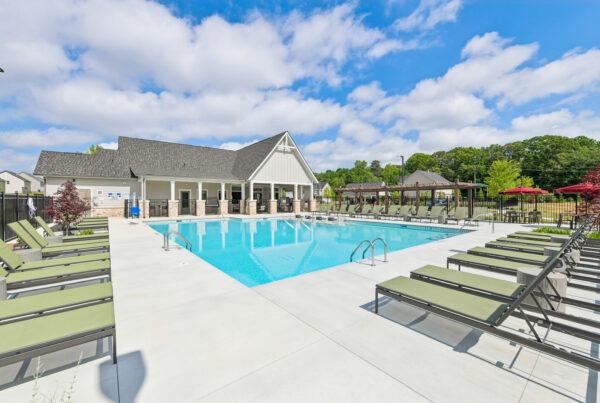
Dedicated rental communities offer the flexibility of renting with the personalization and privacy of a single-family home. They are one way to help our thriving urban communities foster growth without compromise.
By working constructively with local jurisdictions and prioritizing the lifestyles of those who live with us and around us, we are delivering homes designed with life in mind, for our residents and the communities we serve.
Ready to find a neighborhood where you truly belong?
- Explore Our Portfolio: Find a dedicated rental community near you and discover how connection thrives in every season.
- Join the Conversation: Follow Quinn Residences on LinkedIn, Facebook, and Instagram for the latest updates.
Homes with Life in Mind.