

The way we build a house has remained essentially unchanged since the mid 20th century.
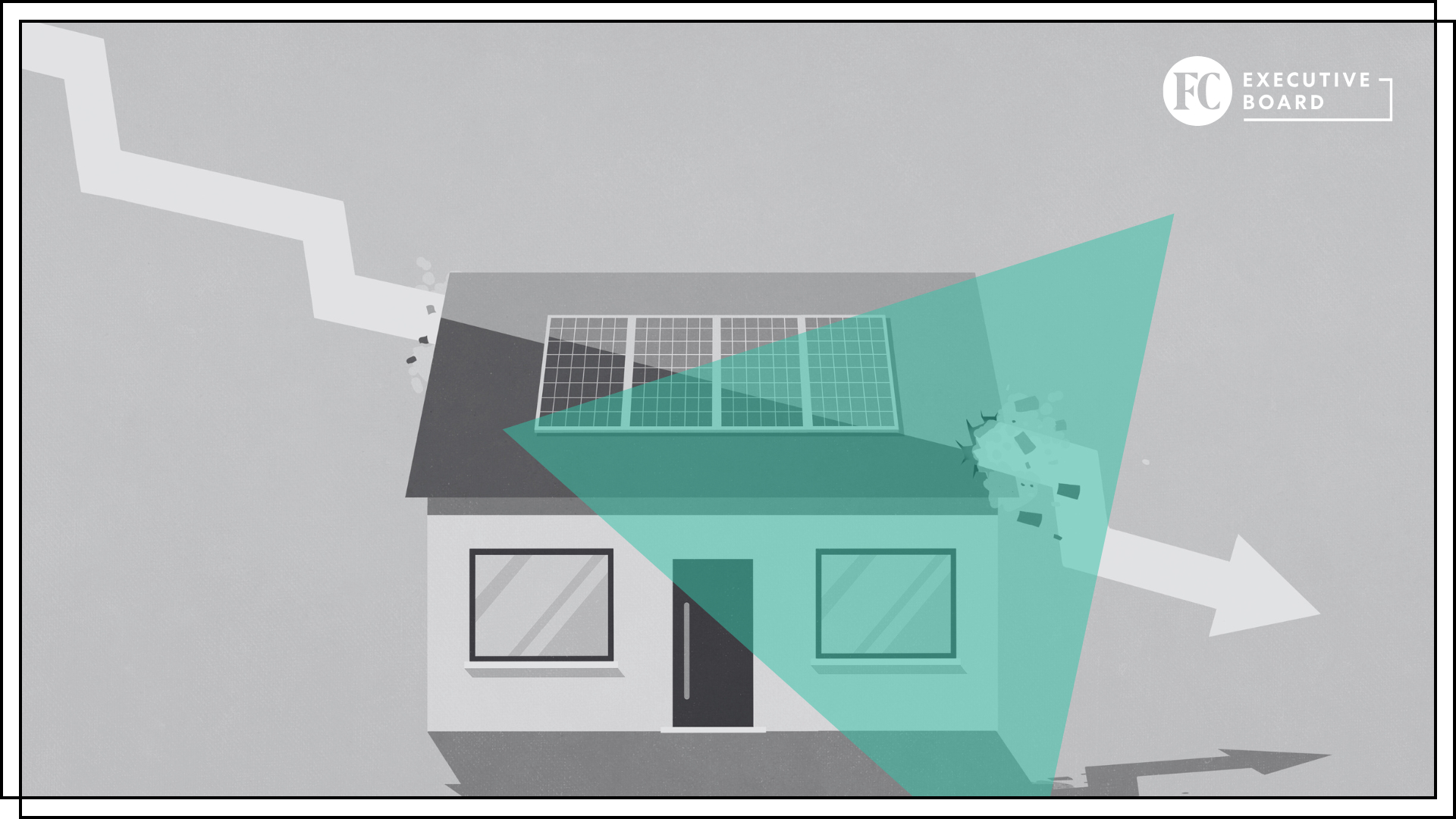
We’ve entered 2026 in a state of profound architectural paralysis.
The housing crisis is a structural deadlock that defies easy solutions, preventing people from finding reasonably priced homes and stifling the economic mobility that once defined the American Dream.
Since the Great Financial Crisis, the United States has experienced a significant housing deficit. We’re millions of homes short, making the supply-and-demand equation that naturally restrains prices and encourages inventory more than a little lopsided and dysfunctional.
The problem has endured (I’ve written about it here before), but its staggering scope has not yet produced solutions that match the scale of the crisis. Meanwhile, interest rates are expected to remain above 6% in 2026, and the national active housing inventory for sale is still 12% below pre-pandemic levels.
Despite technological advances across other sectors of American life, from the iPhones in our pockets to the electric vehicles in our garages, the way we build a house has remained essentially unchanged since the mid 20th century.
We’re not thinking outside the box enough, and if we don’t start addressing this crisis, it will consume us. For many people, it already is.
Here are four ways we can get started fixing the housing sector in 2026.
1. Change the way we build
The homebuilding industry is an artifact of the 1930s.
My father was a homebuilder in his day. If he were to visit a job site today, the processes and workflows would feel very familiar: purchase land, clear trees, pour foundations, and wait for a rotating cast of framers, electricians, and roofers to finish the job on-site.
It is manual, slow, and radically inefficient.
There is only one way out of our housing crisis: We have to build—fast. The old way of building won’t get us what we need.
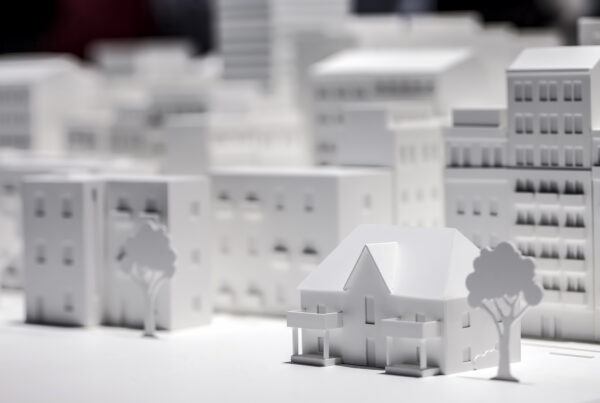
We can modernize home manufacturing by transitioning from site-built construction to intelligent manufacturing, including modular manufacturing that treats a house like a high-precision product rather than a one-off project.
This will bring assembly-line efficiencies to housing construction, accelerating work and reducing costs.
”Housing innovation needs fresh perspectives from unexpected places, not more industry veterans.
Ian CahoonDirector of Innovations at Ivory Innovations
2. Recruit housing innovators
Where is the housing equivalent of Steve Jobs or Elon Musk? We need a disruptor who views a floor plan not as a blueprint, but as a scalable operating system.
They are out there, and we need to find them.
A housing abundance disruptor won’t directly solve the housing problem. They won’t be swinging hammers like everyone else. Instead, they invent, innovate, inspire, and iterate. Housing innovation needs fresh perspectives from unexpected places, not more industry veterans, according to Ian Cahoon, director of innovations at Ivory Innovations, a nonprofit focused on solutions for housing affordability.
Housing policy and traditional construction practices only set the stage. To meet the demand of 2026, we need product entrepreneurs. “We also need product entrepreneurs—innovators developing repeatable, scalable systems that turn policy opportunity into real-world housing delivery,” according to an analysis by think tank New America.
3. Increase density without friction
Land is a finite resource, and most people want to live in a relatively concentrated space. They want (or need) to live near their jobs, family, and friends, and compelling amenities like parks, arenas, and vibrant retail corridors.
They also want space, room to sprawl out and uncouple from the claustrophobia of the traditional urban grind.
The fix involves getting creative with density. We can increase the number of homes per acre while maintaining a genuine community feel by building missing middle housing that offers the privacy of a home with the efficiency of a high-density footprint.
But what’s stopping this progress?
“Zoning regulations, development review processes, financing structures, and an anti-density land use paradigm, among other obstacles, have made missing middle housing harder than it should be to develop,” according to an analysis by Harvard University’s Joint Center for Housing Studies.
To produce more housing that people want in the places they want, they need to make it easier to increase density without friction.
4. Erase the rental stigma
For millions of people, the American Dream is predicated on homeownership. Everything else is second tier; too often, the people who don’t own are considered second class. The cultural schema that equates renting with financial failure is a relic of the post-war era, a stigma as outdated as our building practices.
Today, many people consider renting a choice, not a failure. It’s a way to access premium urban centers and amenities without the maintenance burden of ownership.
This is especially true for Gen Z, who prioritize flexibility, mobility, and convenience as ownership costs rise and their priorities shift toward experiences.
That’s why we must change the paradigm to view renting as a strategic choice for economic agility, rather than a consolation prize for those priced out of ownership.
Final thoughts
There is no single silver bullet for a crisis this entrenched. Progress in 2026 will require an amalgam of all the strategies mentioned above. It will certainly incorporate ideas that haven’t been included here and (hopefully) many that haven’t been identified or discovered.
Fixing the sector requires a mix of modular manufacturing, zoning reform to allow for density, and a cultural shift in how we perceive property.
Goldman Sachs research indicates that “fixing the shortage and restoring affordability will require the addition of around 3-4 million housing units.”
Reaching that goal is only possible through a mix of technological innovation and cultural shifts. It’s time to get to work. The crisis will continue to consume us until we finally decide to address it.
This article was written by Richard Ross, CEO of Quinn Residences for Fast Company